How Is Whiskey Made? From Grain to Glass
The Liquor Bro Team ·
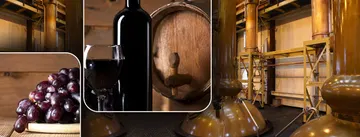
Quick answer: Whiskey is made from grain in six steps. The grain is mashed in hot water to turn its starch into sugar, fermented with yeast into a beer-like liquid, distilled to concentrate the alcohol, aged in wooden barrels, and finally bottled, usually after adding water to reach bottling strength. The grain, still, barrel, and time in wood are what make one whiskey taste different from another.
What Is Whiskey Made Of?
Whiskey is made from just three things: grain, water, and yeast. The grains are usually barley, corn, rye, or wheat. Each style has its own rules: bourbon must be at least 51% corn, American rye at least 51% rye, and single malt Scotch is made from 100% malted barley. Everything else comes from the process.
The Six Steps of Making Whiskey
1. Choosing and preparing the grain
Distillers pick a recipe of grains, called the mash bill. Barley is often malted first: soaked so it starts to sprout, then dried. Malting activates enzymes that later turn starch into sugar.
2. Mashing
The grain is milled and cooked in hot water. The heat and enzymes convert the grain’s starch into fermentable sugar, creating a sweet, porridge-like mash (or a liquid called wort, in Scotch).
3. Fermentation
Yeast is added and eats the sugar over several days, producing alcohol and many of the fruity, spicy flavors whiskey is known for. The result is a beer-like liquid of roughly 8 to 10% alcohol, called “distiller’s beer” in America or “wash” in Scotland. Most bourbon uses the sour mash method, adding some leftover mash from a previous batch to keep each batch consistent.
4. Distillation
The fermented liquid is heated in a still. Alcohol boils at a lower temperature than water, so the vapor is collected and condensed into a stronger, clear spirit. There are two main kinds of still:
- Pot stills work in batches and usually distill the spirit twice (three times for many Irish whiskeys). They make a heavier, more flavorful spirit. Read more in what is a pot still?
- Column stills run continuously and can produce a lighter, purer spirit efficiently. Most bourbon is made in a column still, often followed by a second still called a doubler.
5. Aging in barrels
The clear “new make” spirit goes into wooden barrels, where it gains its color and much of its flavor. Bourbon must use new, charred oak, which gives vanilla and caramel. Scotch is usually aged in used casks that once held bourbon or sherry, which add softer oak, fruit, and spice. Some whiskey evaporates through the wood each year, a loss distillers call the angel’s share.
6. Blending and bottling
Barrels are tasted and either bottled on their own (single barrel), combined in small numbers (small batch), or blended at scale. Most whiskey is then diluted with water to bottling strength; barrel-proof whiskey skips that step and is bottled at full strength.
How Bourbon and Scotch Production Differ
| Step | Bourbon | Single malt Scotch |
|---|---|---|
| Grain | At least 51% corn, plus rye or wheat and barley | 100% malted barley |
| Fermentation | Often sour mash | Wort fermented into wash |
| Still | Usually column still and doubler | Pot stills, usually twice |
| Barrels | New, charred oak only | Usually used bourbon or sherry casks |
| Minimum aging | None for bourbon; 2 years for straight bourbon | 3 years in Scotland |
See how the finished styles compare in our bourbon vs. whiskey guide and whisky around the world.
How Long Does Whiskey Take to Make?
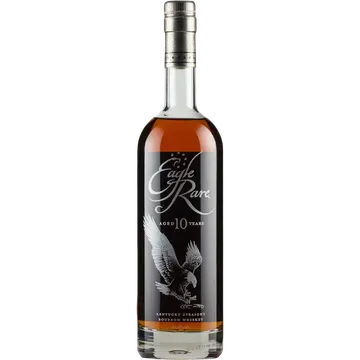
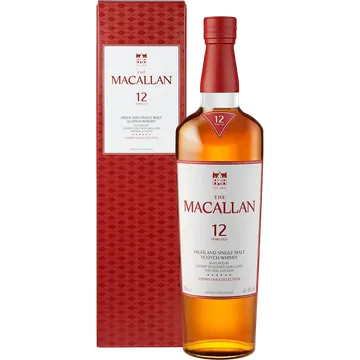
Mashing, fermentation, and distillation take about a week. Aging takes much longer: at least three years for Scotch and Irish whiskey, at least two years for straight bourbon, and often a decade or more for premium bottles like Eagle Rare 10 Year or Macallan 12.
Taste the Difference
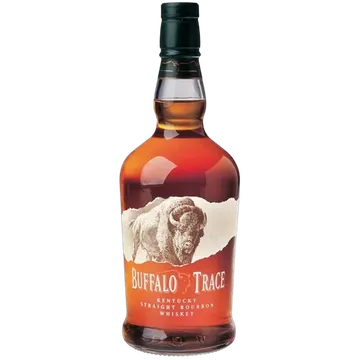
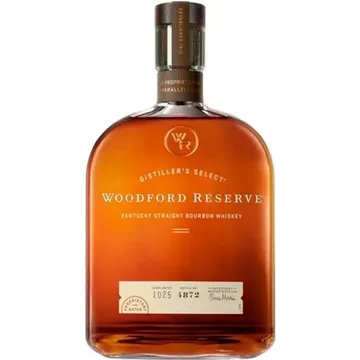
The best way to understand the process is to compare bottles side by side: try a column-still bourbon like Buffalo Trace, a pot-and-column blend like Woodford Reserve, and a pot-still single malt like Macallan 12. Shop our full whiskey selection. We ship to all 50 states with an adult (21+) signature, deliver same-day in Brooklyn, Manhattan, and Queens, and offer free pickup at our Manhattan store. You pay only after we confirm your order.
Sources: U.S. standards of identity for whisky: 27 CFR 5.143 (TTB) · The Scotch Whisky Regulations 2009.
FAQ
What is whiskey made from?
Grain, water, and yeast. The grain is usually barley, corn, rye, or wheat, depending on the style.
How is whiskey made step by step?
The grain is mashed to turn starch into sugar, fermented with yeast, distilled into a strong spirit, aged in wooden barrels, then diluted and bottled.
Why is whiskey aged in barrels?
Barrels give whiskey its color and much of its flavor, such as vanilla, caramel, and spice, while slowly softening the raw spirit.
What is sour mash whiskey?
Sour mash whiskey is made by adding some leftover mash from a previous distillation to a new batch. It keeps fermentation consistent, and most bourbon is made this way.
What’s the difference between a pot still and a column still?
Pot stills distill in batches and make a heavier, more flavorful spirit. Column stills run continuously and make a lighter spirit more efficiently.
Does whiskey keep aging in the bottle?
No. Whiskey only ages in the barrel. Once it’s bottled, its flavor stays the same.