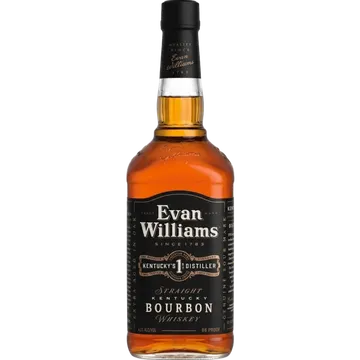
Evan Williams
Evan Williams Black Label Bourbon
5.0 out of 5 stars from(3 reviews)
50ml200ml375ml750ml
from $1.99
● Shipping to all 50 states · Same-day delivery in NYC · Free pickup at 55 Flatbush Ave
[email protected]Shop bourbon whiskey from everyday favorites like Buffalo Trace, Maker’s Mark and Woodford Reserve to allocated bottles from Weller, Blanton’s and Pappy Van Winkle. We ship to all 50 states, deliver same-day in NYC, and offer free pickup at our Brooklyn store. New to bourbon? Read our complete bourbon guide below.
144 products
Evan Williams
5.0 out of 5 stars from(3 reviews)
50ml200ml375ml750ml
from $1.99
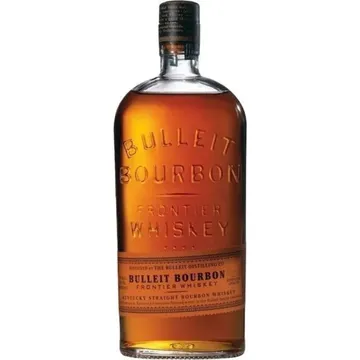
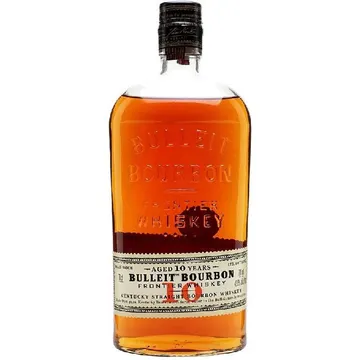
Bulleit
5.0 out of 5 stars from(2 reviews)
375ml750ml1L1.75L
from $17.99
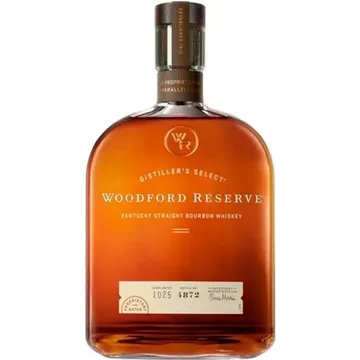
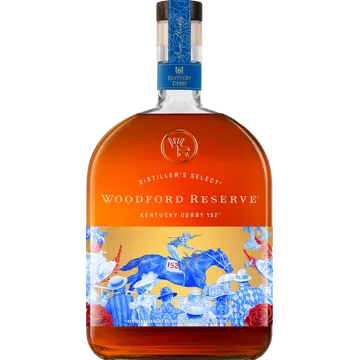
Woodford Reserve
5.0 out of 5 stars from(1 reviews)
375ml750ml1L1.75L
from $23.99
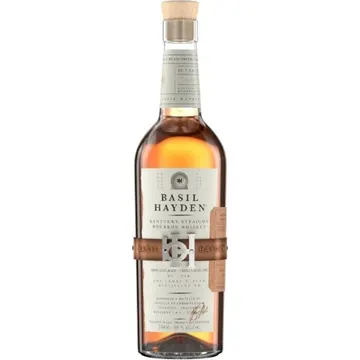
Basil Hayden
5.0 out of 5 stars from(1 reviews)
375ml750ml1L1.75L
from $22.99
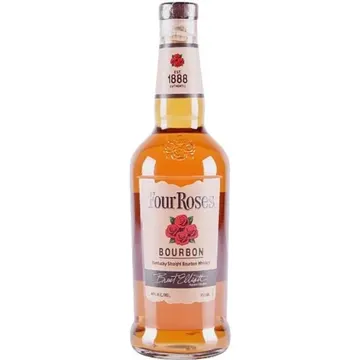
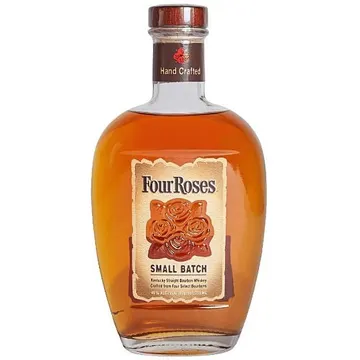
Four Roses
4.0 out of 5 stars from(1 reviews)
$28.99
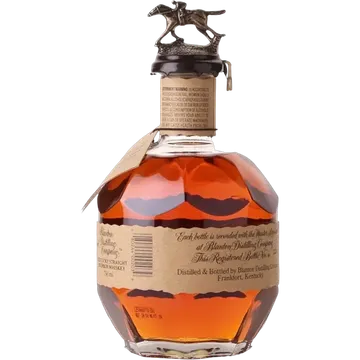
Blanton's
1.0 out of 5 stars from(1 reviews)
$129.99
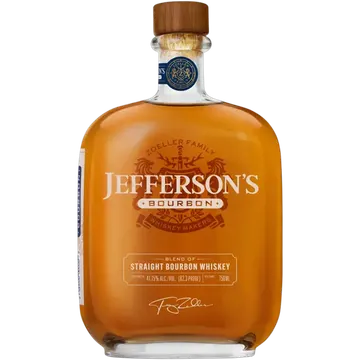
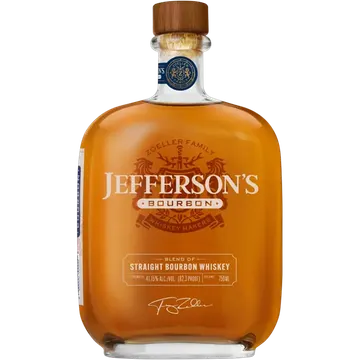
Jefferson's
5.0 out of 5 stars from(1 reviews)
750ml1.75L
from $29.99
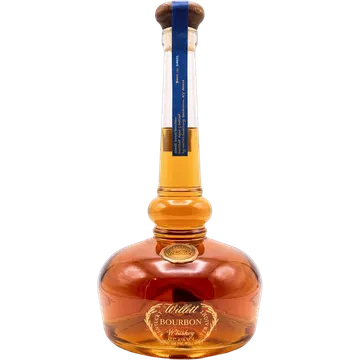
Willett
5.0 out of 5 stars from(1 reviews)
750ml1.75L
from $45.99
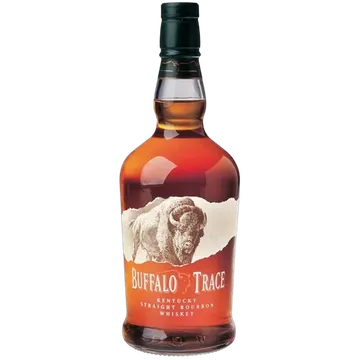
Buffalo Trace
$64.99was $99.99
Bourbon whiskey is a distinctly American spirit made from a grain mash containing at least 51% corn, distilled to no more than 160 proof, and aged in new charred oak barrels. Its signature sweetness, caramel color, and smooth finish come from the corn-heavy mash bill and the charred oak it ages in. Below, you’ll find everything you need to know about bourbon’s legal requirements, how it’s made, what it tastes like, and how it compares to other whiskeys.
Bourbon is a type of American whiskey defined by strict legal standards. It must be produced in the United States from a mash of at least 51% corn, distilled to no more than 160 proof (80% ABV), entered into the barrel at no more than 125 proof, aged in new, charred oak containers, and bottled at 80 proof (40% ABV) or higher. In 1964, Congress recognized bourbon as a “distinctive product of the United States.” It can legally be made anywhere in the U.S., not just Kentucky, although Kentucky produces about 95% of the world’s supply, according to the Kentucky Distillers’ Association.
These federal standards protect bourbon’s identity and quality. No coloring or flavoring may be added, so bourbon’s amber color and complex flavor come entirely from the grain, the yeast, and the barrel.
Bourbon production follows five core steps: mashing, fermentation, distillation, barreling, and aging. Each stage shapes the final flavor, from the sweetness of the corn to the toasted, caramelized notes of the charred barrel.
Bourbon whiskey typically has a sweet, full-bodied flavor with notes of caramel, vanilla, oak, and baking spice, and a warm finish. The exact taste depends on the mash bill, the barrel’s char level, and how long it ages.
Bourbon differs from other whiskeys mainly in its grains, its barrels, and where it can be made. Scotch must be made in Scotland and usually relies on malted barley, while bourbon’s corn-forward mash bill and new charred oak barrels give it a sweeter, bolder profile.
| Feature | Bourbon | Scotch | American Rye | Tennessee Whiskey |
|---|---|---|---|---|
| Main grain | 51%+ corn | Malted barley (single malt) | 51%+ rye | 51%+ corn |
| Barrels | New, charred oak | Oak casks, usually used (ex-bourbon or sherry) | New, charred oak | New, charred oak |
| Minimum age | None (2 years for “straight”) | 3 years | None (2 years for “straight”) | None |
| Where it’s made | Anywhere in the U.S. | Scotland only | Anywhere in the U.S. | Tennessee only |
| Flavor profile | Sweet, caramel, vanilla | Smoky, fruity, or malty | Spicy, dry | Like bourbon, mellowed by charcoal filtering |
Bourbon suits drinkers who enjoy sweeter, richer spirits with caramel and vanilla, while rye whiskey works best for those who prefer a spicier, drier profile. Tennessee whiskey is filtered through maple charcoal before aging, a step called the Lincoln County Process, which gives bourbon-like sweetness a smoother edge. Curious about Scotch? Explore our Scotch whisky collection.
Bourbon comes in several legally defined and stylistic categories, shaped by aging, mash bill, and how it’s bottled.
The right bourbon depends on your taste, your budget, and how you plan to drink it. If you like sweeter flavors, start with a wheated bourbon; if you enjoy spice and complexity, try a high-rye bottle.
Bourbon can be enjoyed neat, on the rocks, with a splash of water, or in classic cocktails, and each method brings out different flavors. Neat or with a few drops of water, the full aroma opens up; ice softens the intensity for easier sipping. The Old Fashioned, Manhattan, and Mint Julep show off bourbon’s versatility and remain some of the most popular ways to serve it.
Shop bourbon by brand: Buffalo Trace, Woodford Reserve, Maker’s Mark, Four Roses, Old Forester, Wild Turkey, Knob Creek, Michter’s, 1792, Weller, Blanton’s, and Pappy Van Winkle. Every bottle ships to all 50 states with an adult (21+) signature, with same-day delivery in Brooklyn, Manhattan, and Queens and free pickup at our Downtown Brooklyn store.
No. Bourbon can legally be made anywhere in the United States, though Kentucky produces the vast majority thanks to its climate, limestone-filtered water, and long distilling tradition.
All bourbon is whiskey, but not all whiskey is bourbon. Bourbon is a specific, legally regulated style of American whiskey with strict rules on grain, proof, and barrels.
There’s no minimum aging time for bourbon, but it must age at least two years to be labeled “straight bourbon,” and bottled-in-bond bourbon must age at least four years.
No. By law, bourbon must be aged in new, charred oak containers. That’s why used bourbon barrels are often sold to Scotch, rum, and tequila producers to age their own spirits.
Bourbon’s sweetness comes from its high corn content and from the vanilla and caramel compounds the spirit draws out of new charred oak barrels as it ages.