Soju vs Sake: What's the Difference?
The Liquor Bro Staff ·
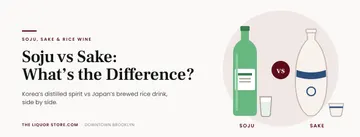
Quick answer: Soju is from Korea and sake is from Japan, and they’re made in completely different ways. Soju is a distilled spirit, clear and clean-tasting, usually drunk in small shots with food. Sake is brewed from polished rice, more like beer or wine in how it’s made, with a smooth, savory, sometimes fruity flavor. Sake is usually a little lower in alcohol than classic soju.
Soju vs sake at a glance
Soju
Sake
Country
Korea
Japan
How it’s made
Distilled, then diluted to drinking strength
Brewed (fermented) from rice, water, yeast and koji mold; not distilled
Main ingredients
Rice, or other starches like wheat, barley or sweet potato
Polished rice
Typical alcohol
About 12 to 25%; flavored soju is usually at the low end
About 14 to 16%; some undiluted sake is close to 20%
Taste
Clean, neutral, lightly sweet; flavored versions taste of fruit
Smooth and savory (umami), from dry to fruity and floral
How it’s served
Chilled, in small shot glasses
Chilled, room temperature or warm, in small cups or wine glasses
Food
Korean barbecue, fried chicken, spicy stews
Sushi, sashimi, grilled fish, tempura
What is soju?
Soju is Korea’s national spirit and one of the best-selling liquors in the world. Traditional soju was distilled from rice; most modern soju is made by diluting a neutral spirit from rice, grains or sweet potato, then lightly sweetening it. The classic green-bottle style is clean and easy to drink, and fruit-flavored soju such as grapefruit, peach, plum and strawberry is lighter and sweeter. Browse our soju and shochu.
What is sake?
Sake is brewed. Rice is polished to remove its outer layers, steamed, then fermented with koji (a mold that turns starch into sugar) and yeast. The more the rice is polished, the more delicate and fragrant the sake. Common grades you’ll see on labels:
- Junmai: pure rice sake, no added distilled alcohol; fuller and savory.
- Ginjo: rice polished to at least 60% of its size; lighter and fruitier.
- Daiginjo: polished to at least 50%; the most fragrant and refined.
- Nigori: cloudy, unfiltered sake; creamy and a little sweet.
Shop our sake.
Where shochu and makgeolli fit
- Shochu is Japan’s distilled spirit, made from barley, sweet potato, rice and more. It’s often confused with soju, but it’s Japanese and usually stronger, around 25%.
- Makgeolli is a Korean rice wine: milky, lightly fizzy, slightly sweet and low in alcohol, around 6 to 8%. See our makgeolli and Korean rice wine.
How to drink soju and sake
- Soju: serve well chilled in small glasses and sip with food. In Korea, the custom is to pour for others, not yourself, and to accept a glass with two hands from an elder.
- Sake: serve premium ginjo and daiginjo chilled in a wine glass to enjoy the aroma. Fuller junmai can be served at room temperature or gently warmed. Once opened, refrigerate and finish within about a week.
FAQ
Is soju the same as sake?
No. Soju is a Korean distilled spirit; sake is a Japanese brewed rice drink.
Which is stronger, soju or sake?
Classic soju is usually a bit stronger than sake, while many flavored sojus are about the same strength or lower. Check the label.
Is sake a wine or a beer?
Neither exactly. It’s often called rice wine, but it’s brewed from grain like beer, with its own process.
Is shochu the same as soju?
No. Shochu is Japanese and usually stronger; soju is Korean and usually lighter.
Pick up soju, sake and makgeolli at our store at 55 Flatbush Ave in Downtown Brooklyn, or order online for same-day delivery in Brooklyn, Manhattan & Queens. Must be 21+.