Single Malt vs Scotch: What's the Difference?
The Liquor Bro ·
Updated
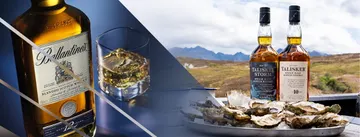
Quick answer: Scotch is any whisky made and aged in Scotland. Single malt is one kind of Scotch: it’s made only from malted barley, in pot stills, at a single distillery. So every single malt Scotch is Scotch, but not every Scotch is a single malt. Most Scotch sold is actually blended Scotch, a mix of malt and grain whiskies from several distilleries.
What makes a whisky Scotch?
By law, Scotch whisky must be:
- Distilled and matured in Scotland
- Aged at least 3 years in oak casks
- Bottled at 40% alcohol or more
- Made from water, cereal grains and yeast only, with no added flavoring (plain caramel coloring is allowed)
Scotland spells it whisky, without the e. Ireland and the U.S. usually write whiskey.
The five types of Scotch
Type
What it is
Single Malt
100% malted barley, pot-distilled, from one distillery
Single Grain
From one distillery, but can include other grains like wheat or corn
Blended Malt
Single malts from two or more distilleries, mixed (once called vatted malt)
Blended Grain
Single grain whiskies from two or more distilleries
Blended Scotch
Malt and grain whiskies mixed together. The most common type
“Single” means one distillery, not one barrel. A single malt is usually a mix of many casks from the same place.
Single malt vs blended Scotch: how they taste
Blends are made for a smooth, consistent flavor that’s easy to drink and mixes well. Single malts show off one distillery’s style, which can range from light and floral to rich and fruity to heavily smoky. Neither is better; they’re made for different jobs. Compare our single malt Scotch and blended Scotch.
Scotch whisky regions
Region
Typical style
Well-known distilleries
Speyside
Fruity, often aged in sherry casks
Glenfiddich, The Macallan, The Glenlivet
Highlands
Wide range, from light to rich
Glenmorangie, Oban, Dalmore
Islay
Smoky and peaty, often with a sea-salt edge
Laphroaig, Lagavulin, Ardbeg
Lowlands
Light, soft and grassy
Auchentoshan, Glenkinchie
Campbeltown
Briny, oily, a little smoky
Springbank, Glen Scotia
The Islands, such as Skye and Orkney, are officially part of the Highlands but often listed on their own. Love smoke? Start with our peated Scotch.
How to read a Scotch label
- Age statement (for example, 12 Years): the youngest whisky in the bottle is at least that old.
- No age statement: still at least 3 years old by law.
- Cask finish (sherry, port, rum): the whisky spent its last months in a second type of barrel for extra flavor.
- Cask strength: bottled without adding water, often 50 to 60% alcohol.
Sources: The Scotch Whisky Regulations 2009.
FAQ
Is single malt the same as Scotch?
No. Single malt is a style; Scotch is a place. Single malt Scotch comes from Scotland, but single malts are also made in Japan, Ireland, the U.S. and elsewhere.
Is all Scotch single malt?
No. Most Scotch is blended. Single malt is one of five types.
What does “malt” mean?
Malted barley: barley that has been soaked, allowed to sprout and then dried. Malting turns the grain’s starch into sugars that yeast can ferment.
Is single malt better than a blend?
Not automatically. Single malts have more individual character; blends are built to be smooth and consistent. It comes down to taste.
Want a recommendation? Tell our staff at 2841 Raver Croft Drive in Manhattan whether you like light, fruity or smoky, and we’ll point you to a bottle.
Keep reading: Whisky around the world · Bourbon vs. whiskey