Biodynamic Farming and How it Benefits Wine
The Liquor Bro ·
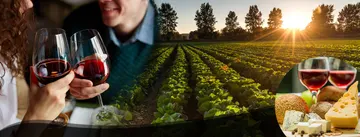
I remember hearing the term biodynamic and was curious to what exactly that meant. I have heard of organic and this day in age more healthy conscious people are turning to organic foods and drinks, but biodynamic seemed to take it to the next level. As I researched this concept I remember reading how a wine maker poured two glasses of the same wine, same grapes but just one was grown in biodynamic soil and the other regular soil. The conclusion to that story was that 12 out of 13 people chose the biodynamic wine and commented that the taste was more vibrant and floral, clean and crisp as compared to the regular wine. At that point the wine makers turn the whole vineyard over to the biodynamic method.
The concept of biodynamic is that the soil and the crop are both vital. The calculations of harvesting and replanting are based on cosmic events. The biodynamic farms also make their own compost and the rotation of different crops help the soil. Some crops strip the soil of important minerals. Crops such as potatoes and corn exhaust the soil while other crops such as clovers, peas and beans restore. In bio dynamics the concept of rotating deep rooting with short rooting crops help maintain a great soil. Many vineyards are changing into biodynamic. Many benefits are in the taste but also the longevity of the wine.
Bio dynamics was discovered by a man named Dr. Rudolf Steiner after a group of farmers sought his advice. Through research and lectures, he came up with the principles of biodynamic. He later brought these concepts to America around 1930 and became more and more popular in present times. Biodynamic wines are also considered to be 100 percent organic and there are many to choose from today. Please feel free to respond or add your comments and your feedback. As always drink well and enjoy.
Biodynamic Wine Today
Steiner laid down his principles in 1924. They include the use of cow manure, powdered quartz and preparations made from medicinal plants, and timing farm work to the phases of the moon. Biodynamic wineries try to work with what Steiner called the earth’s natural rhythms, and today even well-known estates in France, Germany and Austria plough with horses and plan their work by the lunar calendar.
Many wineries first tried biodynamics because customers wanted organic, natural products. The results surprised them, with good sales and good reviews, and more wineries have converted since, most saying they did it for the quality of the wine rather than the label.
So what do biodynamic wines taste like? They are much like other organic and natural wines, sometimes with a little more sediment and a mellow, sappy character. Fans say they show more of their terroir, the character of the soil and land they come from. Whether or not you can taste the difference, farming with fewer chemicals and closer attention to the land is a step in the right direction.
[Previous Post
What Makes a Wine a “Best Seller”?
](/blogs/news/what-makes-a-wine-a-best-seller)[Next Post
Champagne vs Cava vs Prosecco: What’s the Difference?
](/blogs/news/whats-the-difference-between-champagne-cava-prosecco-and-other-sparkling-wines)
Related Posts
Soju vs Sake: What’s the Difference?
Soju is a Korean distilled spirit; sake is a Japanese brewed rice drink. Here’s how they’re made, how strong they are, how they taste and how to drink each, plus where shochu and makgeolli fit.
Bourbon vs Rye: What’s the Difference?
Bourbon is made from at least 51% corn and tastes sweeter; rye whiskey uses at least 51% rye and tastes spicier and drier. Here’s how they compare and which to use in which cocktail.
How Much Alcohol to Buy for a Party or Wedding
Plan on one drink per guest per hour. A bottle of wine pours 5 glasses and a 750ml bottle of liquor makes about 16 cocktails. Use our chart for 10 to 100 guests.