How to read a wine label from Italy
The Liquor Bro ·
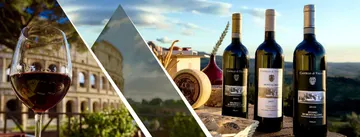
Many of us would like to try different wines from different countries. The reason why many of us stick to what we like and are wary to try something new mostly is because we have a hard time understanding the labels. If you aren’t fluent in Italian, it might be difficult to understand an Italian wine label. This article will hopefully give you some insight into understanding Italian wine labels. Some labels may contain more information than others depending on the classification of the wine. Italian wines fall under four classifications. These classifications or regulations assure quality for wine and food products. They are requirements that the label should contain certain pieces of information before distribution.
These Classifications are:
Denominazione di Origine Controllata e Garantita (DOCG)- This is the highest classification for traditional Italian wine. It was established in 1963 and is designated for high quality wines. The word garantita stands for guarantee. Every wine that falls under the DOCG classification has gone through very strict government rules before distribution. Each bottle has a numbered government seal across the neck.
Denominazione de Origine Controllata (DOC)- A majority of the wine in Italy falls under this classification. It is very similar to the French and their (AOC). The DOC and the DOCG place restrictions on the grape varieties, alcohol percentages and some of the processing techniques involved in the wines production.
Indicazione Geografica Tipica (IGT)- This classification was created around 1992 and is also known as the “Goria Law”. Named after the minister of agriculture, this classification covers all the wines that don’t fall the DOC and the DOGC. A possibility why these wines don’t fall under the other classifications may be because of the varietals used and so these wines are considered Vino da Tavolas (VDT).
Vino da Tavola (VDT)- This classification covers all wines considered table wines. These wines do not follow the strict regulations. Some quality wines do fall under this classification because they don’t follow traditional guidelines.
Super Tuscans- A super tuscan is an Italian wine that doesn’t follow traditional Italian wine making techniques. They usually are a blend with grapes like Cabernet Sauvignon or Merlot. Some Super Tuscans are of high quality.
[Previous Post
How to read a Wine Label from Spain
](/blogs/news/how-to-read-a-wine-label-from-spain)[Next Post
How to read a wine label from France
](/blogs/news/how-to-read-a-wine-label-from-france)
Related Posts
Soju vs Sake: What’s the Difference?
Soju is a Korean distilled spirit; sake is a Japanese brewed rice drink. Here’s how they’re made, how strong they are, how they taste and how to drink each, plus where shochu and makgeolli fit.
Bourbon vs Rye: What’s the Difference?
Bourbon is made from at least 51% corn and tastes sweeter; rye whiskey uses at least 51% rye and tastes spicier and drier. Here’s how they compare and which to use in which cocktail.
How Much Alcohol to Buy for a Party or Wedding
Plan on one drink per guest per hour. A bottle of wine pours 5 glasses and a 750ml bottle of liquor makes about 16 cocktails. Use our chart for 10 to 100 guests.