Organic Wine: Is it Healthier?
The Liquor Bro ·

There are so many topics to write about when dealing with organic wines.
- Do they cause headaches?
- Do they taste better?
- Are they healthier than regular wine?
These questions are just a few many are seeking the answers for. It is kind of hard to tell what is true or false with all the studies that contradict each other with the answers about health benefits, etc.
So how can we truly make a reasonable decision when the facts are not genuine?
I think if we take a step back and look at the small details than maybe we might wiggle our way out of this heap of information that’s harder to swallow than a corked wine.
Why do we use pesticides in the first place?
Pesticides are toxic and are used to kill pests at a small enough dosage so it isn’t harmful to humans. The benefits are that larger crops can be harvested, prevent weeds or damage from rodents and molds. Many supporters say we couldn’t keep up with the demand for food if we grow all organic due to loss of crops to pests, rodents and molds.
There is not enough research to determine how dangerous these pesticides are to us but many suggest that they strip the vitamins and minerals and important disease fighting agents from the food which could help us fight off cancers, and other ailments and diseases.
Pesticides have been linked to birth defects, cancers, neurological and developmental and disruption to the endocrine system. Not only to us but the disappearance of honey bees, the death of many bats and other environmental disasters are linked to pesticides.
Other studies suggest that foods become richer in vitamins and minerals do to the facts that weeds, rodents and pests aren’t stripping the fruits and vegetables of their vitamins. So does convenience and affordability out weigh health?
Organic wines preserve the uniqueness of the land and terroir which give characteristics to wine. Many people suggest organic wines are tastier due to all the minerals and vitamins that aren’t affected by pesticides.
Although there is more research needed, Organic wines and foods have become more and more popular. It is really hard to tell if organic wine is tastier or healthier but one thing is for certain which is that our fore fathers made wine pesticide free and like the saying goes, “if the clock isn’t broken, don’t fix it.” Do the research for yourself and let me know what you find. As always I hope this information helps you make a healthier decision and enjoy.
Reading an Organic Wine Label
Labels can be confusing, and a bottle that says organic may not be as natural as you think. Here is what the main terms mean:
100% Organic- Made from 100% organically grown ingredients and carries the USDA organic seal. Usually no sulfites are added.
Organic- At least 95% of the ingredients are organically grown, and you will find the USDA seal on the label.
Made with Organic Grapes- About 70% organic ingredients, and sulfites may be added. You will not see the USDA seal on the label.
Biodynamic- Made from organic grapes, with the producer going further to farm as close to nature as possible, making their own compost and planning the farm work by an astronomical calendar.
Further reading: Making Wine at Home
Learn more about our wines and spirits here.
[Previous Post
Origins of wine
](/blogs/news/origins-of-wine)[Next Post
Picking a wine in a restaurant
](/blogs/news/picking-a-wine-in-a-restaurant)
Related Posts
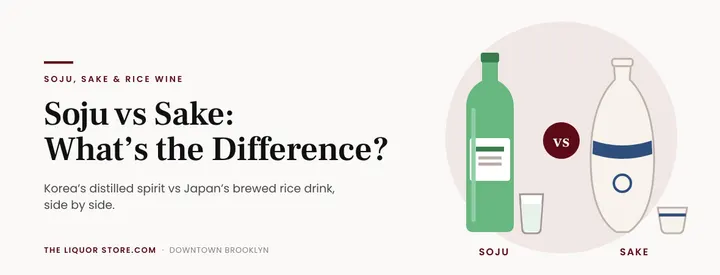
Soju vs Sake: What’s the Difference?
Soju is a Korean distilled spirit; sake is a Japanese brewed rice drink. Here’s how they’re made, how strong they are, how they taste and how to drink each, plus where shochu and makgeolli fit.
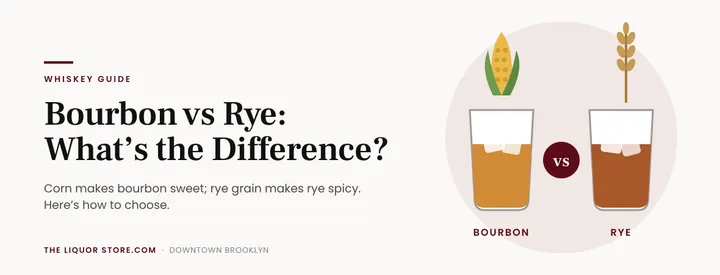
Bourbon vs Rye: What’s the Difference?
Bourbon is made from at least 51% corn and tastes sweeter; rye whiskey uses at least 51% rye and tastes spicier and drier. Here’s how they compare and which to use in which cocktail.
How Much Alcohol to Buy for a Party or Wedding
Plan on one drink per guest per hour. A bottle of wine pours 5 glasses and a 750ml bottle of liquor makes about 16 cocktails. Use our chart for 10 to 100 guests.