Red Wine Food Pairing: Basics, Examples, & Tips
The Liquor Bro ·
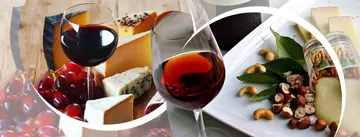
One of the most often asked questions in a wine store is about what wine pairs with what food.
Although it isn’t an exact science, there are some facts that might help you. I know most people have a favorite wine and they drink it with whatever dish but if you want to impress or even surprise your palate once in a while then please read on.
It all starts with the menu.
Certain foods contain certain characteristics whether it is a dominating flavor or spice. Grilled chicken or a smoked salmon has an oaky wood smoke taste so in turn you would want a wine to compliment the flavor to enhance your experience.
Every wine like every food has its own uniqueness to it as well as every persons taste buds are different and I always encourage experimenting. Food and wine pairings aren’t always set in stone so try different combinations until you find one you like.
If you are just starting out then below are some guidelines. You should always remember to drink light wines to dark. It’s not normal to serve a red wine with an appetizer. Please keep in mind that you pair what is best for you and don’t get caught up in other people’s opinions.
Red wines range from light bodied to heavy bodied. They contain more tannins than white wines and some are more acidic than others. The light bodied wines have less tannins and feel light, like water in the mouth as compared to the heavier wines which make you pucker and feel heavy in the mouth like milk. The more tannins present in the wine the heavier and more astringent the wine will be. Let’s start out with the lighter red wines.
Pinot Noirs
These are light, velvety and pretty versatile when pairing with food. It is one of the few red wines that gives white wine a run for it’s money by breaking the rule of all red wines go with meat and all white wines go with seafood. Pinot noirs are more acidic or tart and pair well with lean meats and vegetables like poultry, lamb, pork and fish. The light delicate tartness of the wine help compliment lean cuts of meat and smoked fish.
Shiraz
Also known as Syrah, are a light to medium bodied wine that has hints of spices, blackberry and violets. Syrah is an all occasion wine and pairs well with hamburgers, pizza and some grilled meats. Grilled tuna, sausage and ribs are also great foods that go along with syrah.
Zinfandel
Zinfandel was originally used as a blending grape. The wine has tastes of blackberry, boysenberry, raspberry and cherry with pepper overtones. The alcohol contents range anywhere from 13% to 18% but the lower alcohol Zinfandel pairs better with foods. These wines pair very well with big foods like grilled ribs and cheeses. This wine is a great barbeque wine for foods like hamburgers or grilled steaks. Be wary about pairing with fish or lighter foods because this wine will overpower them.
Merlot
Merlot is full bodied and robust with high levels of ripe tannins which can age for a long period of time. The diversity of Merlot makes it have a wide range of food pairings. Pasta with red sauce, grilled meats, mushrooms, beef stews, salads. Merlot is very similar to Cabernet only less astringent and puckering. This is definitely a wine that goes with almost anything.
Cabernet Sauvignon
Cabernet Sauvignon is a full bodied wine. More puckering and astringent, this wine works very well with heavier foods such as steak, red meats, filet mignon and bold strong cheeses.This wine doesn’t pair well with fish because the oils in the fish can make the wine taste more metallic. Chocolate although hard to really pair with wine, does go well with Cabernet Sauvignon.
Other Wines to Look For
Most of the wines I mentioned in this article are domestic and primarily consumed in North America but there are a few other reds I didn’t mention like Chianti, Sangiovese, Malbec, Bordeaux, etc. These are regional wines found internationally and have similar characteristics to the wines mentioned above.
This is part one of a two part series and hopefully I have broadened your understanding of food pairings. With a little experimentation, anyone can become a professional and know which pairs work well. When a wine is paired well you will know because the flavor of foods as well as wine is enhanced and compliment each other. So as always this is William WineHeart wishing you good wine, good food, and good friends. Please feel free to write me about your food pairing experiments. Read the next article for white wine pairings.
Related Post: White Wine Pairings
Explore more of our inventory here.
[Previous Post
White Wine Pairings: Basics, Examples, and Tips
](/blogs/news/white-wine-pairings-basics-examples-and-tips)[Next Post
Selecting the Right Wine Store
](/blogs/news/selecting-the-right-wine-store)
Related Posts
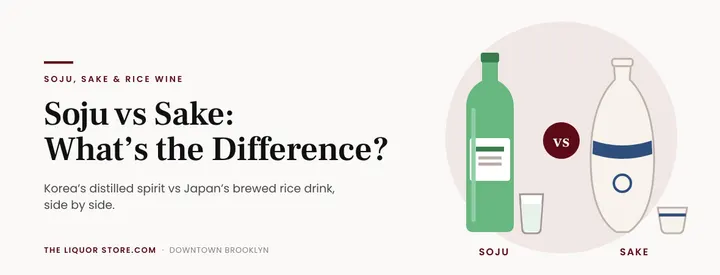
Soju vs Sake: What’s the Difference?
Soju is a Korean distilled spirit; sake is a Japanese brewed rice drink. Here’s how they’re made, how strong they are, how they taste and how to drink each, plus where shochu and makgeolli fit.
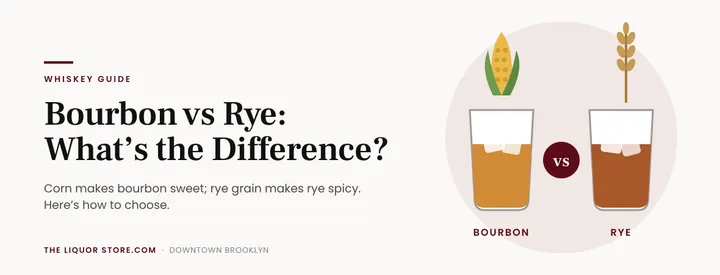
Bourbon vs Rye: What’s the Difference?
Bourbon is made from at least 51% corn and tastes sweeter; rye whiskey uses at least 51% rye and tastes spicier and drier. Here’s how they compare and which to use in which cocktail.
How Much Alcohol to Buy for a Party or Wedding
Plan on one drink per guest per hour. A bottle of wine pours 5 glasses and a 750ml bottle of liquor makes about 16 cocktails. Use our chart for 10 to 100 guests.