Tannins in Wine: What They Are & Side Effects
The Liquor Bro ·
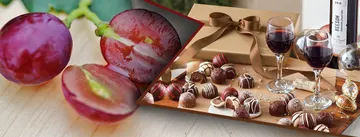
Quick answer: Tannins are natural plant compounds found in grape skins, seeds and stems, and in oak barrels. They create the drying, slightly bitter, grippy feeling a red wine leaves on your tongue and gums. Red wines have far more tannin than whites because they ferment with their skins. Tannins are also in tea, coffee, dark chocolate and many fruits.
What do tannins taste like?
Tannin is more a texture than a flavor. Take a sip of strong black tea that has steeped too long: the dry, puckering feel on your gums is tannin binding to the proteins in your saliva. In wine, tannin adds structure and body. Too little and a red feels thin; too much and it feels harsh and drying.
Where tannins in wine come from
- Grape skins and seeds: the main source. The longer the juice soaks with the skins, the more tannin it takes in.
- Stems: some winemakers ferment whole clusters, which adds a greener, firmer tannin.
- Oak barrels: new oak adds its own tannin, along with vanilla and spice.
White wines are pressed off their skins right away, so most have very little tannin.
High-tannin and low-tannin wines
Tannin level
Red wines
High
Cabernet Sauvignon, Nebbiolo (Barolo), Tannat, Syrah, Petite Sirah
Medium
Merlot, Sangiovese (Chianti), Tempranillo, Malbec, Zinfandel
Low
Pinot Noir, Gamay (Beaujolais), Grenache, Barbera
If you find big reds too drying, start with Pinot Noir or another light red. If you like a firm, structured wine, try Cabernet Sauvignon. Browse all our red wine.
Tannins and aging
Tannins help red wine age. A young Cabernet or Barolo can taste hard and astringent. Over years in the bottle, tannins slowly bind together and drop out as sediment, and the wine feels softer and rounder. That’s why critics often say a tannic wine “needs time.” Pouring a young red into a decanter an hour before dinner can also soften the edges for tonight’s bottle.
Tannins in wine: side effects
Some people notice effects they connect with tannin-rich drinks. What’s commonly reported:
- Dry mouth: the puckering feel is normal and passes quickly. Sipping water helps.
- Stained teeth: tannins help color compounds in red wine, tea and coffee stick to teeth.
- Headaches: some people blame tannins for red-wine headaches. The research is not settled, and alcohol, histamines and dehydration are also suspects.
- Iron absorption: tannins can reduce how much iron the body absorbs from plant foods eaten at the same time, which is why some people drink tea between meals rather than with them.
If you notice a reaction, a lower-tannin wine such as Pinot Noir, a white wine or a rosé is an easy swap. For anything beyond that, ask your doctor; this article isn’t medical advice.
FAQ
Are tannins bad for you?
Tannins are natural compounds found in many everyday foods and drinks. Some people are sensitive to them; most people notice nothing beyond the dry feel.
Does white wine have tannins?
Very little, because the juice is separated from the skins early. Oak-aged whites pick up a small amount from the barrel.
Which red wine has the least tannin?
Gamay (Beaujolais) and Pinot Noir are among the lowest.
Do sulfites or tannins cause wine headaches?
Neither has been proven to be the main cause. See our guide to sulfites in wine.
Keep reading: What is a full-bodied wine? · Cabernet Sauvignon vs Merlot · Types of red wine
Related Posts
Soju vs Sake: What’s the Difference?
Soju is a Korean distilled spirit; sake is a Japanese brewed rice drink. Here’s how they’re made, how strong they are, how they taste and how to drink each, plus where shochu and makgeolli fit.
Bourbon vs Rye: What’s the Difference?
Bourbon is made from at least 51% corn and tastes sweeter; rye whiskey uses at least 51% rye and tastes spicier and drier. Here’s how they compare and which to use in which cocktail.
How Much Alcohol to Buy for a Party or Wedding
Plan on one drink per guest per hour. A bottle of wine pours 5 glasses and a 750ml bottle of liquor makes about 16 cocktails. Use our chart for 10 to 100 guests.