Brut vs Extra Dry: Which Champagne Is Drier?
The Liquor Bro ·
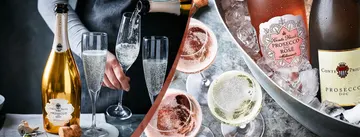
Quick answer: Brut is drier than Extra Dry. On a sparkling wine label, “Extra Dry” actually means a touch of sweetness: it sits one step sweeter than Brut. If you want the driest bottles, look for Extra Brut or Brut Nature.
The names are confusing because they date back to a time when most Champagne was much sweeter than it is today. Here is the full scale, what each level tastes like, and when to choose each one.
The sweetness scale, driest to sweetest
These terms apply to Champagne and to most sparkling wines from Europe, including Cava and Prosecco. The numbers are grams of sugar per liter of wine.
Label term
Sugar (grams per liter)
How it tastes
Brut Nature (also Pas Dosé, Zero Dosage)
0 to 3
Bone dry, very crisp
Extra Brut
0 to 6
Very dry
Brut
Up to 12
Dry. The most common style
Extra Dry (Extra Sec)
12 to 17
Off-dry, a hint of sweetness
Dry (Sec)
17 to 32
Noticeably sweet
Demi-Sec
32 to 50
Sweet
Doux
Over 50
Very sweet, dessert style
So the order runs Brut Nature, Extra Brut, Brut, Extra Dry, Dry, Demi-Sec, Doux. Extra Brut is drier than Brut, and Brut is drier than Extra Dry.
What is the difference between Brut and Extra Dry?
The only difference is how much sugar is added just before the bottle is corked. Winemakers top up sparkling wine with a small dose of wine and sugar, called the dosage. A Brut gets up to 12 grams per liter. An Extra Dry gets 12 to 17. That small gap changes the feel in your mouth:
- Brut tastes crisp and dry, with the acidity up front. It’s the classic choice for toasts and food.
- Extra Dry tastes softer and a little fruitier. Many people who find Brut too sharp prefer it.
Is Brut dry?
Yes. Brut is a dry sparkling wine, and it’s the style most Champagne houses are best known for. If a bottle just says “Champagne” with no sweetness term you recognize, it is very likely Brut.
Which should you buy?
- For toasts and celebrations: Brut. It’s dry, crowd-pleasing and the most widely made style.
- With food: Brut or Extra Brut. Dry bubbles cut through fried food, salty snacks, oysters and cheese.
- For mimosas: Extra Dry or Brut. Orange juice is sweet, so either works; Extra Dry gives a softer mimosa, Brut a crisper one. No need for an expensive bottle here.
- With dessert: Demi-Sec. A dessert should never be sweeter than the wine, or the wine tastes sour.
- For the driest glass possible: Extra Brut or Brut Nature.
Shop our Champagne, Prosecco and the full range of sparkling wine.
Vintage vs non-vintage (NV)
You’ll also see “NV” on many labels. Non-vintage sparkling wine is a blend of several years, made to taste the same every year; it’s what most bottles on the shelf are. Vintage Champagne comes from a single, standout year, ages longer before release and usually costs more. NV bottles can be excellent, so don’t skip them.
FAQ
Which is drier, Brut or Extra Dry?
Brut. Extra Dry has more sugar, 12 to 17 grams per liter against Brut’s maximum of 12.
Is Extra Brut drier than Brut?
Yes. Extra Brut has 0 to 6 grams of sugar per liter, so it’s drier than Brut. Brut Nature is drier still.
What is the driest Champagne?
Brut Nature, also labeled Pas Dosé or Zero Dosage, with 0 to 3 grams of sugar per liter.
Is Prosecco Brut or Extra Dry?
Both exist. Prosecco is very often labeled Extra Dry or Brut, and the same sweetness scale applies.
Is Extra Dry Champagne sweet?
Only slightly. It’s off-dry: softer and fruitier than Brut, but far from a dessert wine.
Planning a party or a toast? Stop by our store at 55 Flatbush Ave in Downtown Brooklyn and we’ll help you pick the right style.
Keep reading: Champagne vs Cava vs Prosecco · How sparkling wine is made · Weddings and Champagne
[Previous Post
The Sugar Content in Wine
](/blogs/news/the-sugar-content-in-wine)[Next Post
Does the cost of a wine determine quality?
](/blogs/news/does-the-cost-of-a-wine-determine-quality)
Related Posts
Soju vs Sake: What’s the Difference?
Soju is a Korean distilled spirit; sake is a Japanese brewed rice drink. Here’s how they’re made, how strong they are, how they taste and how to drink each, plus where shochu and makgeolli fit.
Bourbon vs Rye: What’s the Difference?
Bourbon is made from at least 51% corn and tastes sweeter; rye whiskey uses at least 51% rye and tastes spicier and drier. Here’s how they compare and which to use in which cocktail.
How Much Alcohol to Buy for a Party or Wedding
Plan on one drink per guest per hour. A bottle of wine pours 5 glasses and a 750ml bottle of liquor makes about 16 cocktails. Use our chart for 10 to 100 guests.