The Sugar Content in Wine
The Liquor Bro ·
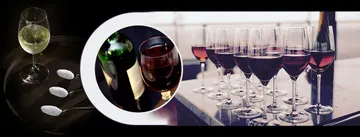
Many people tend to ask the question about how much sugar is in wine. Now that we are becoming more conscience of our diets and trying to become healthier it is important to know the details of what we consume.
There are many methods to how a wine becomes sweet and once you understand the science behind the numbers, you will be able to determine the best wine for you. How sweet a wine will taste depends on many factors such as alcohol and acidity levels, and the amount of tannins present. The sugar that is left after the fermentation of wine is called residual sugar.
The science behind this is that as grapes grow they develop sugars through a process of translocation of sucrose molecules produced through photosynthesis from the leaves. These sucrose molecules are converted into glucose and fructose by enzymes and become simple sugars.
Most fruit including grapes become sweeter as they age so the later you harvest the sweeter the grapes will be. This sugar is converted to alcohol by a method called fermentation. Fermentation is the process where they use yeast to change the sugars into alcohol. The sweetness is determined by how long the fermentation process lasts.
Residual sugar
Residual sugar is measured in grams per liter of wine usually represented by g/l or g/L. The lowest amount of sugar you will find is about 1g/L. it is rare to find any level lower because some sugars like Pentose is not able to be fermented.
The highest amount of sugars can range anywhere well above 50g/l. Wines like Tokaji and some ice wines are over 100 g/l but are balanced with acidity to make them very delicious. There is also some wines that add residual sugar to a wine to purposely make them sweeter and this process is called Suss reserve. This process is practiced mostly in areas like Germany.
Terms of sweetness
There are different words or names that are associated with sweet and dry wines as well as the levels of sweetness in sparkling wines. I will try to explain them in more detail below.
Champagne and Sparkling wines:
1. Brut Natural- contains around 0-3 g/l of sugar
2. Extra Brut- contains 0-6g/l
3. Brut- contains 0-12 g/l
4. Extra Dry, Extra Sec, Extra Seco- contains12-17 g/l
5. Dry, Sec, Seco- contains 17-32 g/l
6. Demi-Sec, Semi Seco- contains 32-50 g/l
7. Doux, Sweet, Dulce- contains 50+g/l
Wines are labeled a little different because of the acidity and alcohol levels which can mask a wines sugar content and make you believe they contain less sugars.
Wines:
1. Dry- Dry wines fall somewhere around or up to 4 g/l depending on acidity and alcohol.
2. Medium Dry- These wines have up to 12 g/l
3. Medium- These wines have up to 45 g/l
4. Sweet- These wines have more than 45 g/l
These levels are estimated and vary depending on the acidity and alcohol. People tend to associate sweet wines with being cheap or inexpensive but in fact it is quite the opposite. Some really expensive wines that are sweet usually use varietals of grapes that have high acidity. Sometimes too much acidity can make a wine taste dry and vice versa, too much alcohol can make a wine taste sweet.
For instance with a wine like Vouvray which can sometimes taste really dry, it is actually a sweet wine with high levels of acidity. Some of the more expensive wines like Sauternes or Tokaji contain high levels of sugars but are quite enjoyable because of the careful balance of acidity and alcohol. Hopefully this helps a little with your next bottle of wine.
Further reading: Shipping Laws for Wines and Spirits
Learn more about our wines and spirits here.
[Previous Post
Have You Been Corked?
](/blogs/news/have-you-been-corked)[Next Post
Brut vs Extra Dry: Which Champagne Is Drier?
](/blogs/news/the-difference-between-brut-and-extra-dry)
Related Posts
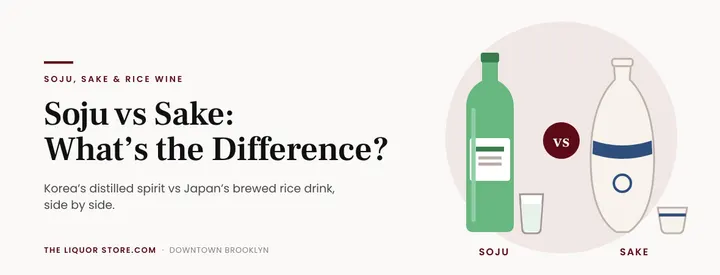
Soju vs Sake: What’s the Difference?
Soju is a Korean distilled spirit; sake is a Japanese brewed rice drink. Here’s how they’re made, how strong they are, how they taste and how to drink each, plus where shochu and makgeolli fit.
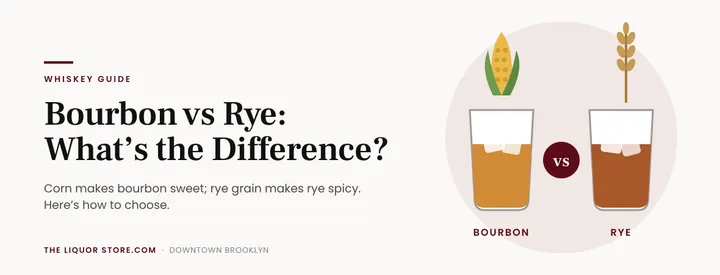
Bourbon vs Rye: What’s the Difference?
Bourbon is made from at least 51% corn and tastes sweeter; rye whiskey uses at least 51% rye and tastes spicier and drier. Here’s how they compare and which to use in which cocktail.
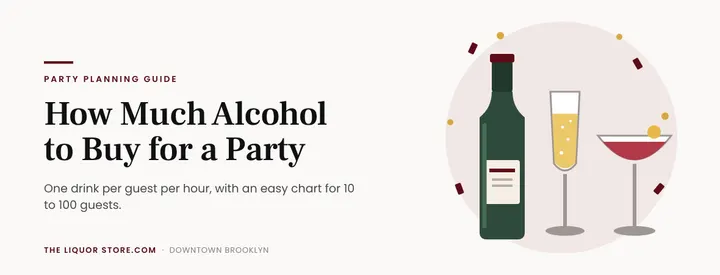
How Much Alcohol to Buy for a Party or Wedding
Plan on one drink per guest per hour. A bottle of wine pours 5 glasses and a 750ml bottle of liquor makes about 16 cocktails. Use our chart for 10 to 100 guests.